
Identify a Seminole Property Owner
A short evidence trail answers the ownership question. The Seminole County property search by address turns a known location into a tax account. It also yields a parcel number. The assessor tax roll then lists the owner of record. The qPublic parcel card could not be inspected here. Access was denied, so treat that gap honestly. The reliable path is to confirm the name against the latest recorded deed.
- Search the known address or parcel in the Seminole Tax Commissioner account search. Save the parcel key, owner-related result, and tax year.
- Check the Seminole Board of Tax Assessors qPublic entry if it loads. Treat its owner as the roll name, not final title proof.
- Search the GSCCCA Real Estate Index for the newest deed affecting the same parcel or legal description. Read the grantee, the party receiving the interest.
- If the grantee is a company, verify its entity record through the Georgia Secretary of State. If it is an estate or trust, follow the deed and probate wording without assuming a beneficiary owns personally.
This route narrows a broad clue into recorded evidence. A legal notice or an old tax bill can supply the parcel key. It is not a substitute for a fresh assessor card.
Seminole Owner Addresses Differ
Three different addresses can attach to one Seminole County parcel. The situs address marks the physical site. The mailing address is where tax bills go. The legal description, by contrast, defines the land through a subdivision lot and block. It can also use a rural land-lot and district. A postal city or ZIP code alone never proves the parcel sits inside those city limits. City limits and postal lines do not always match.
Keep each label separate while tracing the owner of record. An out-of-state owner may get mail far away. Rural land near Donalsonville or Iron City can carry a mailing line that ignores the actual city limits. The mailing line and the actual city limits can disagree. Iron City switched from ZIP 31759 to 39859 for 679 deliveries in 2002. Older records may still search better under the former ZIP. None of these mismatches alone signals an ownership problem.
Seminole Ownership Record Sources
Every official source supplies one piece of the ownership puzzle. Comparing them keeps a tax debtor, a prior grantor, or a mailing contact from being mistaken for the current property owner.
| Where Ownership Appears | What It Provides | How Current |
|---|---|---|
| Assessor roll through qPublic | Expected owner-of-record and parcel card fields; exact local labels were not inspectable | No county refresh interval was published |
| Tax Commissioner account | Tax-year account search and parcel-level lead | Tied to the selected tax year |
| GSCCCA deed index | Latest grantee, recording date, book/page, property and instrument clues | A newly recorded deed may lead the roll |
| Published FiFa notice | Separate defendant, current-property-owner, reference-deed, parcel, address, and years-due fields | Only as of that notice |
No county GIS owner pop-up could be verified, so none is promised here. The tax office, the Tax Assessor, and the Superior Court Clerk remain the direct fallbacks by phone or counter.
Confirm Seminole Owners by Deed
The recorded deed is the confirmation step that matters most. GSCCCA offers search paths by name, book and page, property, plat, lien, PT-61, and UCC. Daily filings are searchable too. Its statewide real-estate index generally reaches back to at least January 1, 1999. Historical data from 1993 through 1998 is being added. Search name variants. Compare the legal description, not just the surname.
The latest grantee is the person or entity receiving the interest that instrument conveys. A quitclaim, corrective deed, security deed, life estate, or probate transfer may need extra context. Open the deed image where available. Or request the instrument from the Clerk at 200 S Knox Avenue in Donalsonville. A certified copy proves what was recorded. It is not, however, a legal opinion that the chain is defect-free.
The official GSCCCA index explanation describes the search system used for this confirmation.
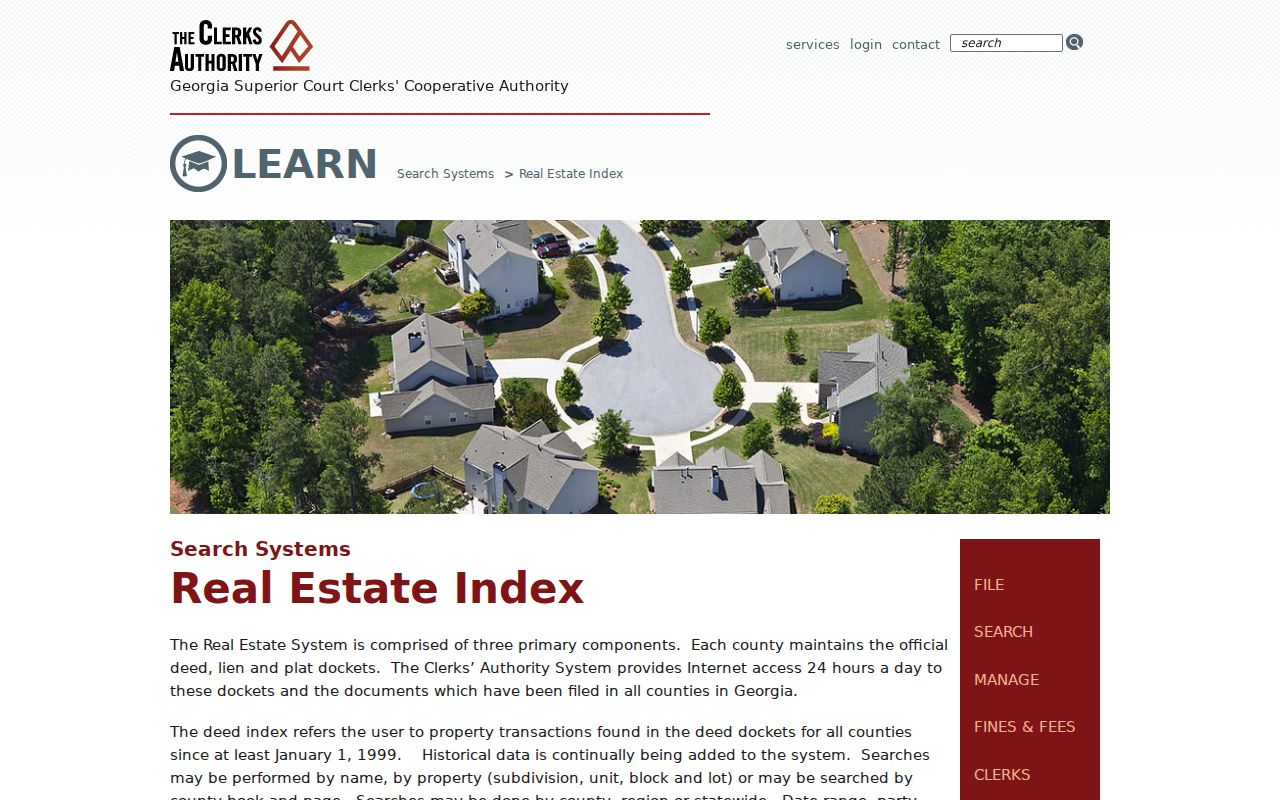
Its cross-reference tools help carry an address-based lead to a recorded grantee. That link is what ties the parcel to a name.
Note: A newly recorded deed may be more current than the tax roll right after a sale closes.
When a Seminole Company Owns
An LLC or corporation can hold title. Never swap its legal name for an individual. That person may show up in a business filing, but the entity still holds title. Search the company exactly as written on the deed. Use the Georgia Corporations Division Business Search. The entity file may list status, registered agent, principal office, and filing details. These help pin down the right organization.
The registered agent receives legal service. That role is not personal ownership of the real estate. Match the entity name, suffix, formation details, deed legal description, and dates. Do this before drawing any link. If a similar name appears twice, the deed and business control number help you avoid the wrong company.
The official Georgia business search is the entity lookup to use. Turn to it once a company appears as grantee.
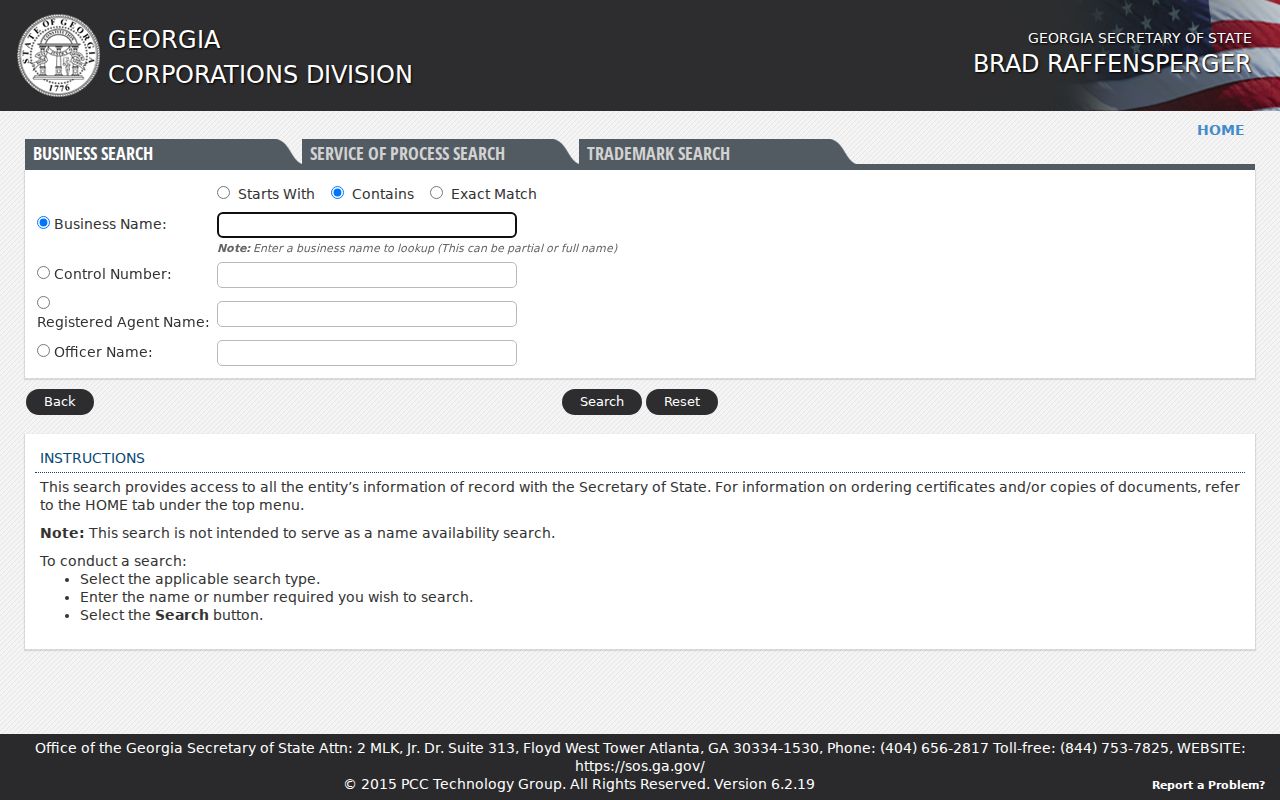
Use that result to understand the entity itself, while the recorded deed stays the link to the property.
Seminole Estates and Trust Owners
Ownership is not always personal. A deed can vest Seminole County land in a trustee, an executor, a life tenant, or some other fiduciary. Capacity words matter. Read them closely before assuming who really controls the parcel. The Seminole County Probate Court holds estate files. These often explain why an administrator or heir appears in the chain of title. Recorded deeds, by contrast, stay with the Superior Court Clerk. So estate papers and deed records live in two different offices.
When a modern property search dead-ends, older records can reopen it. Historical deeds, probate files, newspapers, and library collections sometimes tie a forgotten address to an estate. They can also link it to an earlier household. The Georgia Archives digital collections serve as fallback channels. So do the Donalsonville News archive, FamilySearch, and the Seminole County Public Library genealogy department. Check coverage first. Not every volume has been digitized. So confirm the county and collection before relying on a specific record set.
This is also why a name on a deed proves nothing about occupancy. A life estate, trust, or family arrangement can split possession, mailing address, and recorded title three ways. Treat the owner of record as a legal fact, not a household census.
Seminole Tax Notices Split Roles
A local FiFa tax and legal notice teaches a sharp lesson in careful reading. It carries distinct fields for "Defendant(s) in FiFa" and "Current Property Owner," plus file number, map or parcel number, reference deed, property description, known address, and years due. The defendant is not the assessor owner. Never merge the two labels. Copy each identity role exactly as printed.
The notice works well as a cross-reference, especially for distressed or historic parcels where a parcel card is hard to pull. It is not a qPublic assessor card, though. Before acting, verify who owns the property through the current tax roll and the newest deed records in the recorder's holdings.
Seminole Owner Terms Defined
Ownership records become easier to compare when their labels are kept precise.
- Owner of record
- The party named as owner in the current administrative roll.
- Grantee
- The person or entity receiving the interest in a recorded deed.
- Title
- The legal ownership interest, which cannot be fully proven by one tax or index result.
- Situs address
- The physical location of the parcel, distinct from the owner's mailing address.
- Recording lag
- The gap between a deed filing and a later update to another county record.
Limits on Seminole Owner Lookups
A public record can name an owner of record. It cannot prove who lives there. The roll may miss a very recent transfer. It can hide a protected contact address, or list an entity instead of a person. Georgia Safe at Home and VoteSafe shield qualifying addresses from public view. Redacted data should stay redacted. Do not try to rebuild it from other files.
The Georgia Open Records Act offers a path when an administrative record is not indexed online. Keep the request tight. Name the record, the parcel number, the date range, and your preferred format. The agency may apply lawful exemptions and redactions to what it releases. Skip broad personal details that have nothing to do with the property question.
Offline access still matters. The Superior Court Clerk answers counter, phone, and mail questions about a specific deed. The Clerk also handles certified copies. The Tax Commissioner locates a tax account. The Tax Commissioner's tax bill pairs with the Tax Assessor's parcel card for current ownership. Older owner clues may point to the courthouse. They may also point to Georgia Archives microfilm, the Seminole County Public Library genealogy department, or searchable legal notices in the Donalsonville News. Bring a parcel key, legal description, and name variants to each request. Add a narrow date range too. Prepared questions get answers.
Use ownership records lawfully. An owner name is not a title search, and public data must never be used to harass, intimidate, or expose a protected address.
The current roll fields and their update gap get a closer look on the Seminole County current owner page. Chasing prior transfers means running a separate backward deed-chain search.