
Search Iron City Property Records Across Old and New Names
Seminole County, not a city recorder or assessor, keeps the official Iron City property records. A complete property search starts in the county tax system. Use the current address and parcel. Next, confirm the deed through GSCCCA. Municipal minutes, ordinances, permits, and licenses come from the small city office on request. Historical searches should also test Brooklyn. Try the former ZIP 31759 too, since both names once pointed to the same ground.
- Verify the current postal line with USPS and retain any old 31759 address.
- Search AssuranceGov by Address, Parcel, Name, Company, or Bill #.
- Use the parcel and land description in GSCCCA's deed and plat indexes.
- Ask for a recorded plat because no verified public GIS viewer was located.
- Contact the Iron City clerk, then County Planning if the record is county-administered.
The full controls sit in the Seminole County property search guide. Iron City simply adds two historic identity bridges plus a careful check of city-versus-county custody.
Iron City and County Record Custody
Three county offices divide the core work. The Superior Court Clerk records deeds and plats. The Board of Tax Assessors maintains the parcel and value roll. The Tax Commissioner handles the tax accounts and tax bills. For local minutes, ordinances, permits, licenses, and city records, Iron City's clerk is the first contact. The city publishes no website and offers no interactive permit index.
Seminole County custodians
County offices hold deeds, plats, assessment records, and tax accounts.
Iron City clerk
P.O. Box 249
Iron City, GA 39859
229-774-2572, Monday and Tuesday 8:30 to 5:30
Brooklyn Opens Early Iron City Property Records
This community incorporated as Brooklyn in 1900 and reincorporated as Iron City in 1908. A deed, legal notice, family record, or newspaper item bearing the Brooklyn name may describe the very same place. Check the date and legal description. Do not assume the old name means a different town.
Early searches should test Brooklyn, Iron City, the owner surname, land lot, district, acreage, and parent-county context together. No full annexation series or historic boundary-growth map exists. The name change alone cannot prove a modern city line. The clerk can supply ordinances or boundary records tied to a specific address and date.
The 31759 to 39859 ZIP Bridge Is an Iron City Key
USPS Postal Bulletin 22074 documents a 2002 change touching 679 deliveries once served under ZIP 31759. Their last line became Iron City, Georgia 39859. That correction is a rare bridge from a pre-2002 address to a current parcel.
| Historic clue | Search form | Verification |
|---|---|---|
| Brooklyn | Use for early twentieth-century sources | Date plus legal description |
| 31759 | Use for records before the postal change | USPS bulletin and parcel identity |
| 39859 | Use for the current postal line | USPS lookup, not a city boundary |
A ZIP proves mail routing, not municipal jurisdiction. Carry both the old and new forms when asking a custodian to locate a record.
Iron City Subdivision Research Starts With a Gap
No official source publishes a reliable Iron City subdivision roster, plat era, parcel-prefix range, or map-book run. That gap deserves plain acknowledgment. Compact parcel numbers appearing in county tax notices cannot be assigned to Iron City without a source linking the identifier to the city itself.
| Neighborhood / Subdivision | Era | In the Records |
|---|---|---|
| Named Iron City subdivisions | Not verified | Ask the Clerk to search Plat Name and Book Page |
| Rural tracts | Varies | Use land lot, district, acreage, and metes and bounds |
| Changed parcels | Varies | Request surveys, splits, boundary adjustments, and corrective deeds |
Search GSCCCA by Plat Name or Book Page, then request the image from the Clerk. Carry lot, block, land lot, district, acreage, and book/page into AssuranceGov. The Seminole parcel map guide covers the verified plat fallback without inventing GIS tools.
Iron City Has No Verified Permit Search Screen
The city publishes no forms page, permit lookup, zoning map, code index, fee schedule, or searchable case history. The right first move is a focused request to the city clerk. Come during the published Monday and Tuesday office hours. Name the physical address, parcel, permit type, and date span.
Ask whether the city holds a building, demolition, driveway, sign, business, alcohol, inspection, zoning, or code record. Work outside the city, or administered by the county, belongs with Seminole County Planning. That office sits at 230 Cherry Street, 229-524-2878. A written request helps when limited office hours make a live call difficult.
County Planning Is Iron City's Documented Fallback
The county Planning page lists agricultural, commercial, residential, tower, dock and seawall, demolition, driveway, electrical, manufactured-home, HVAC, plumbing, sign, pool, temporary-power, land-disturbance forms. Plat, rezoning, variance, conditional-use, and zoning-confirmation forms are there too. The page also publishes permits@seminolecountyga.com, inspections@seminolecountyga.com, and codeenforcement@seminolecountyga.com.
Inspection requests must arrive by 4 p.m. the day before. No set inspection time is given. Reinspection is listed at $50. Those are county instructions, not proof that any Iron City job was county-administered. Confirm custody first. Also verify a stray Morgan County reference on the page before quoting the affected code language.
Iron City Values Require Parcel-Level Caution
No official Iron City value trend exists. There is no parcel count, median, historic overlay, or public value-history series either. Countywide context shows the gross digest rising from $373,802,734 in 2019 to $460,082,347 in 2024. The net digest moved from $272,101,575 to $346,722,535. Those totals say nothing about Iron City specifically.
For one property, pick a tax year in AssuranceGov. Compare fair-market value, the 40-percent assessed value, exemptions, and the newest recorded deed. A pre-2002 mailing line can make one parcel look like two. Hold onto the parcel key and legal description across every year compared.
The Community Center Helps Orient Civic Records
The Iron City Community Center sits at 116 Kelly Drive NE. It also serves as a county election precinct. That civic role is handy but limited. It can help you anchor an address search and possibly point toward public meeting records. It will not settle a boundary question. Elections and mail treat geography differently than land records do.
Treat the landmark as a clue, nothing more. Property research in Seminole County still turns on the tax parcel and the recorded deed. The plat matters too. So does any city or county boundary instrument. An address may sit near the edge of town. In that case, request the annexation ordinance or map tied to that parcel. Do not let a voting place or a postal city name decide jurisdiction.
Newspaper Research Joins the Iron City Name Bridges
Newspaper digging rewards patience. Search the Donalsonville News archive using both Brooklyn and Iron City, the owner of record's surname, land-lot and district phrasing, and legal-notice terms. The Seminole County Public Library adds genealogy, obituary, cemetery, directory, and local-history leads, though it publishes no exact holdings list for this purpose.
Older research may reach further. Georgia Archives, FamilySearch, Probate records, and the parent counties can all extend the trail. Confirm coverage inside each collection before relying on it. A newspaper or directory match may reconnect an old address, but only a recorded deed with its legal description ties the clue to land.
Build an Iron City Request Around Identity
A strong historical request names Iron City and Brooklyn. Include the ZIPs 39859 and the former 31759, the street or route, owner surnames, and the parcel number. Add any land-lot, district, acreage, or book and page reference you have. Route the pieces correctly. Ask USPS to verify the current last line. Ask the Clerk for deed records and plats, the Tax Commissioner for the tax account, and the city clerk for municipal files.
After an owner's death, loop in Probate. Search for an administrator, executor, heir, trust, or estate. For edge parcels, request the boundary or annexation record. State your preferred format, separate inspection from certified copies, and ask for a cost estimate up front.
The city capture comes from the official Georgia Municipal Association profile.
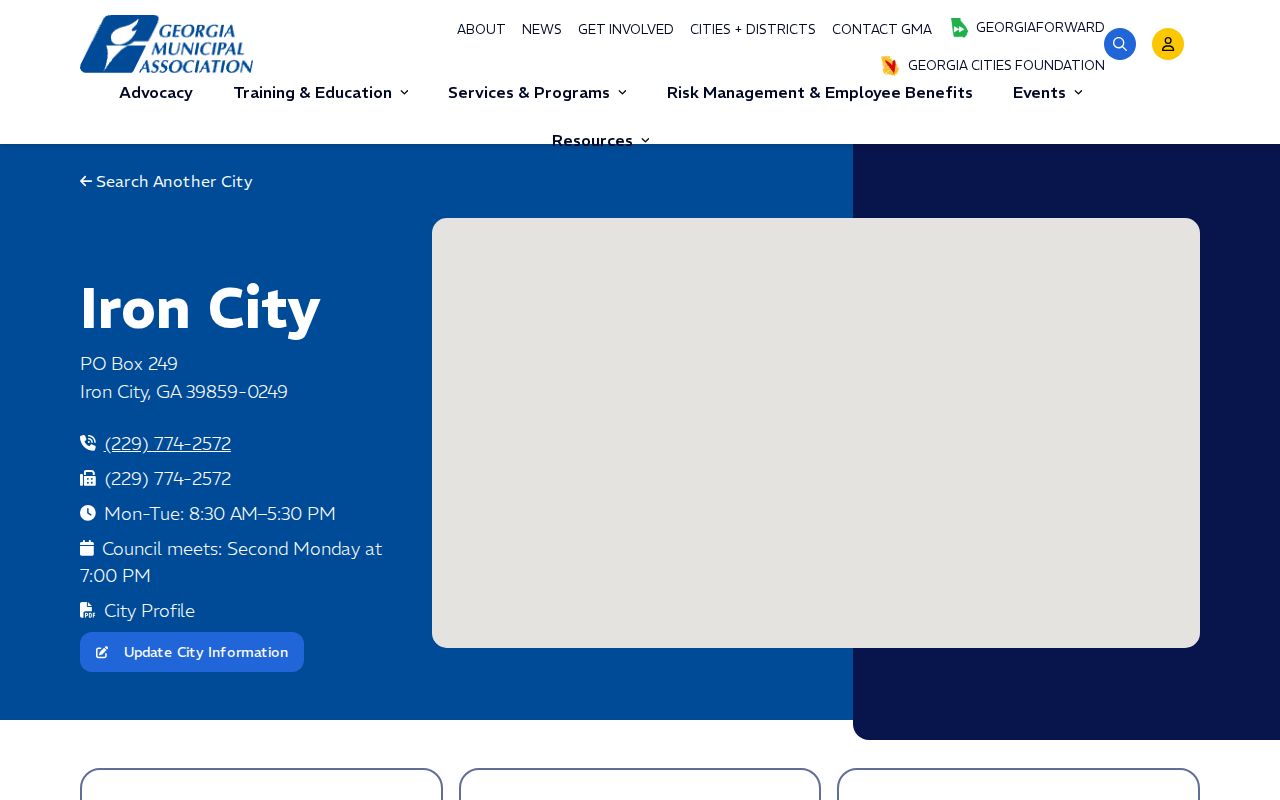
The municipal profile lists current contact information and limited office hours. For anything beyond city hall, Seminole County Planning and Development serves as the county fallback.
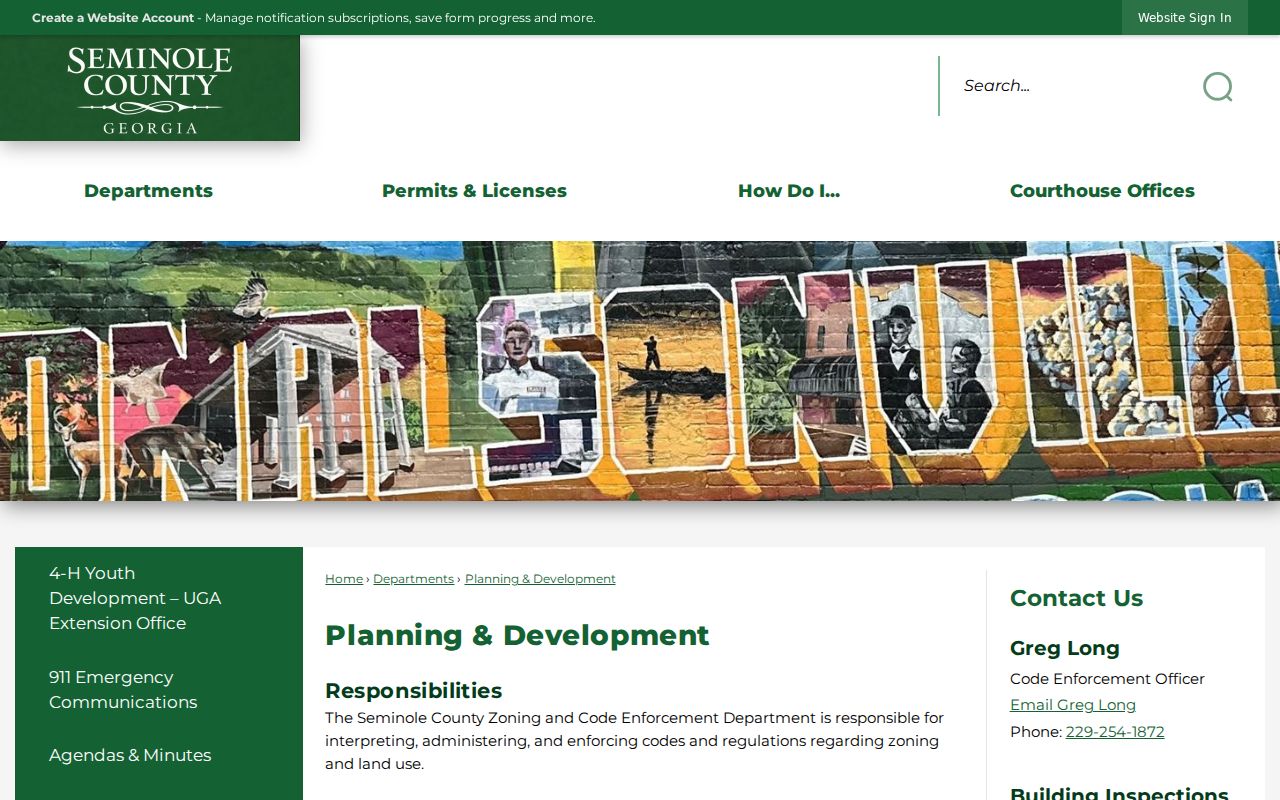
The county source covers permits as a fallback, not every Iron City file. Historic volumes are reachable through the Georgia Archives county collection.
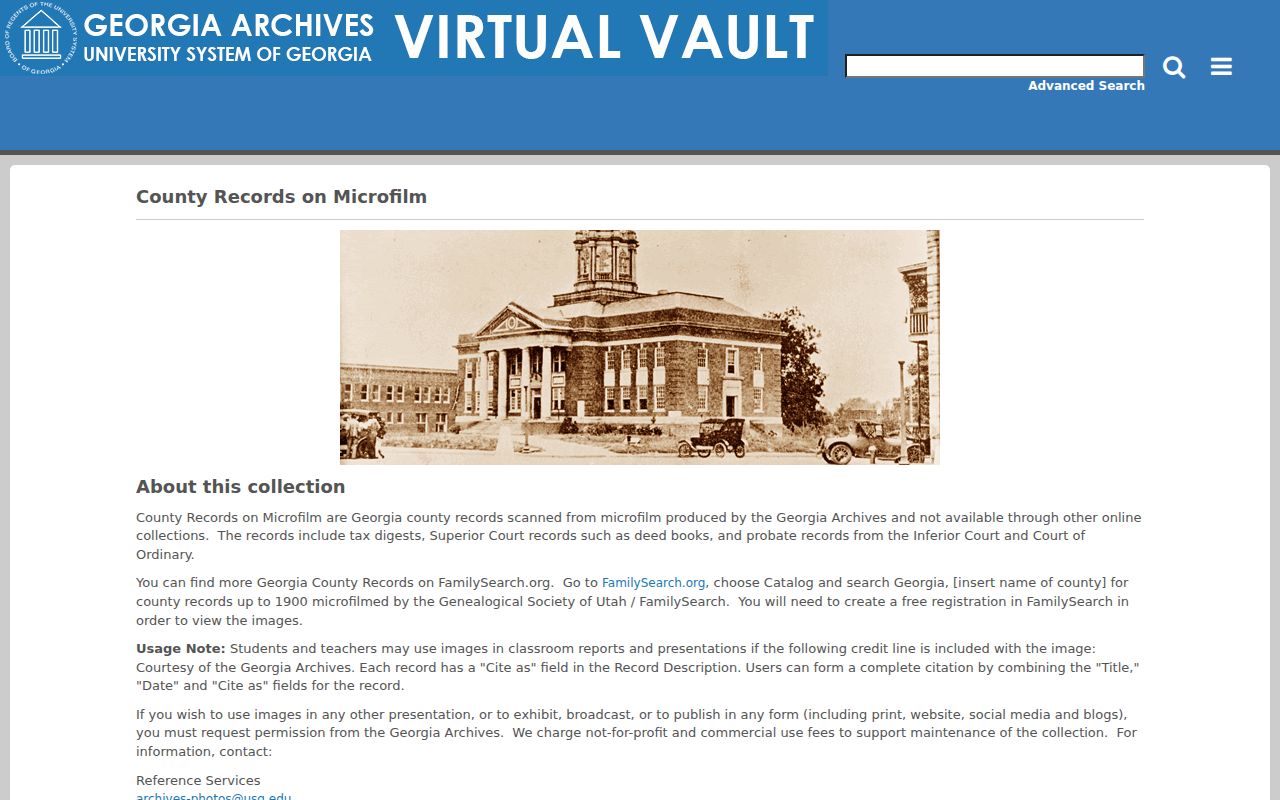
The Archives source can push a search past modern names and ZIP codes once its exact holdings are verified.
What Iron City Property Records Cannot Prove
Iron City property records can connect a parcel to tax, deed, plat, probate, permit, and historic-address clues. They do not prove a city boundary from a ZIP, assign an unverified parcel prefix, establish clear title, replace a survey, or turn county digest growth into a city appraisal.
The local name change is a search key, not a conclusion. Brooklyn was incorporated in 1900, while Iron City dates to the 1908 reincorporation. A deed or newspaper item using Brooklyn may concern the same community. Match the date, parties, land lot, district, acreage, and legal-description language. No verified annexation series was found, so the historic name cannot settle whether a modern parcel lies inside the city.
The ZIP shift creates another bridge. USPS documented that 679 deliveries using 31759 moved to the Iron City 39859 last line in 2002. Keep both codes in a search spanning the change. USPS resolves the present mailing line. The tax parcel, deed and plat, and a municipal boundary record resolve land identity and jurisdiction. A ZIP does not decide which office issued a permit.
Tax values need a fixed scale. Seminole County sets fair-market value as of January 1 and assesses at 40 percent before applicable exemptions. The 2019 through 2024 digest figures describe the whole county. They do not establish an Iron City median, trend, or parcel appraisal. Select the tax year in AssuranceGov, preserve the parcel key, and compare the value with the right card and newest deed.
When qPublic does not load, use the full fallback chain. AssuranceGov locates tax accounts by address, parcel, owner, company, or bill number. GSCCCA confirms recorded deeds and plats. The Assessor can supply a card, and the Clerk can retrieve an older book or certified copy. No stable independent Seminole GIS viewer was found, so an online boundary or adjacent-parcel tool cannot be promised.
Iron City's limited office hours make a precise written request useful. Name the physical address, both ZIP forms when relevant, parcel number, record type, and date range. Ask for the existing permit card, inspection, ordinance, minutes entry, license, zoning action, or boundary record. State whether inspection or a copy is wanted, and request a cost estimate before broad retrieval work.
County Planning is the documented fallback for county-administered work. Its list includes residential, commercial, agricultural, manufactured-home, demolition, driveway, electrical, HVAC, plumbing, sign, pool, land-disturbance, plat, variance, rezoning, and conditional-use forms. Those forms identify possible record types, not proof that the county handled a specific Iron City project. Confirm custody with the city clerk first.
Historic work can extend through the Donalsonville News, county library, Georgia Archives, FamilySearch, Probate Court, and parent counties. Search Brooklyn and Iron City with owner surnames, legal-description terms, and notice words such as administrator or FiFa. Exact holdings must be checked. A newspaper or directory clue reconnects a name or old address, but the recorded instrument supplies the land evidence.
Estate and entity names need variants. Search a deceased owner, the estate, executor, administrator, and later grantee. For a trust, try the trustee and formal title. For a company, preserve the exact legal suffix and compare it with Georgia's entity record. None of those sources alone proves that the party owns the Iron City parcel. Join the name back to the deed description.
Lawful use. Use Iron City property records for legitimate title, boundary, tax, estate, historical, and civic research. Never use an owner's details to target, harass, or harm anyone.